Hackney Council rules for market stalls and flower displays
Posted on 14/10/2026
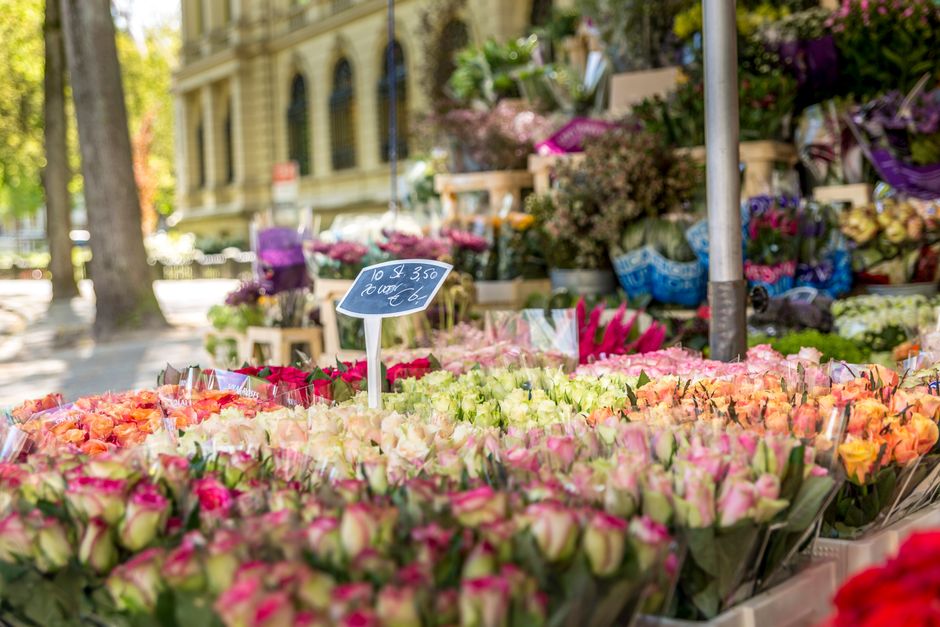
If you're setting up a market stall in Hackney, or planning eye-catching flower displays outside a shop, cafe, or market pitch, the details matter more than people expect. The right layout can draw customers in. The wrong one can cause complaints, block footfall, or run you into problems with council conditions. Hackney Council rules for market stalls and flower displays are not just about keeping things tidy; they shape how safely and fairly traders use shared public space.
That can sound dry, but in real life it's quite practical. A well-placed crate of tulips, a neat planter, a clear walkway, and a display that doesn't wobble in the wind can make the difference between a calm trading day and a stressful one. This guide breaks the topic down in plain English: what the rules usually cover, how they work, what traders should check before setting up, and the common mistakes that catch people out. We'll also look at best practice for presentation, compliance, and day-to-day trading in Hackney.
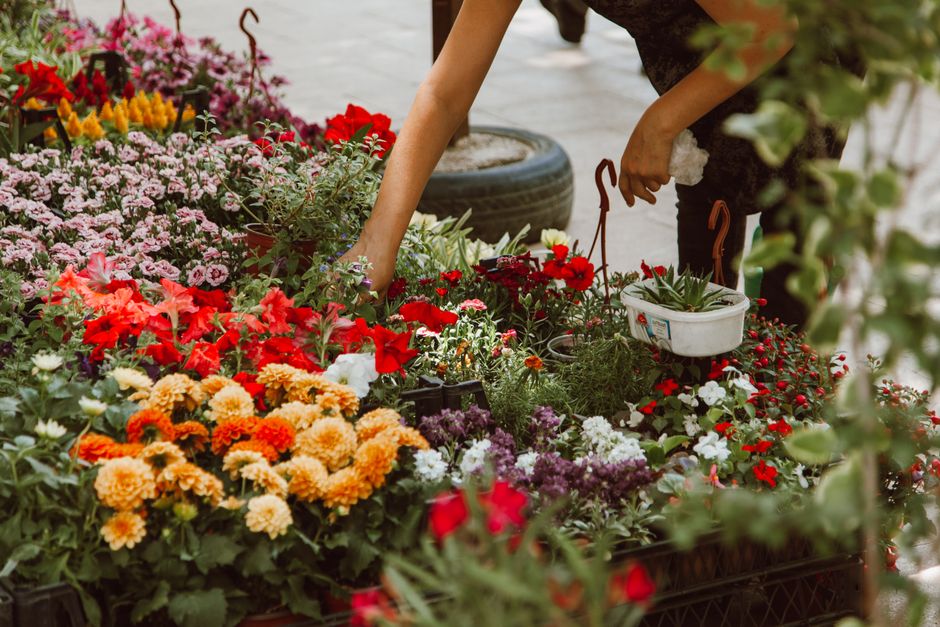
Table of Contents
- Why Hackney Council rules for market stalls and flower displays Matters
- How Hackney Council rules for market stalls and flower displays Works
- Key Benefits and Practical Advantages
- Who This Is For and When It Makes Sense
- Step-by-Step Guidance
- Expert Tips for Better Results
- Common Mistakes to Avoid
- Tools, Resources and Recommendations
- Law, Compliance, Standards, or Best Practice
- Options, Methods, or Comparison Table
- Case Study or Real-World Example
- Practical Checklist
- Conclusion
- Frequently Asked Questions
Why Hackney Council rules for market stalls and flower displays Matters
Hackney is lively, busy, and full of mixed-use streets where pedestrians, cyclists, deliveries, and traders all compete for space. That means rules around market stalls and flower displays do a few jobs at once. They protect safety, support fair access, and help the area stay welcoming instead of cluttered. Simple enough on paper. In practice, it's where a lot of day-to-day trading decisions get tested.
The most obvious reason is public safety. A display that projects too far into the pavement can become an obstacle for pushchairs, wheelchairs, and people with sight loss. A market stall with unstable shelving or loose pots can tip, especially in wet or windy conditions. And let's face it, London weather doesn't always play nice. One gust and suddenly that "quick arrangement" becomes a problem.
There's also the question of consistency. When traders follow the same expectations, the street feels better organised. That helps customer movement, improves visibility for shops next door, and reduces friction with neighbours. If one stall spreads out unchecked, others may feel forced to do the same. The whole street can drift from lively to messy very quickly.
Practical takeaway: the best Hackney stall or flower display is not the biggest one. It's the one that looks attractive, stays stable, leaves clear access, and fits the pitch or frontage without arguments.
Another reason this matters is reputation. People remember the streets that feel easy to walk through and pleasant to browse. They also remember the ones where they had to squeeze past stacked buckets or step around stray stems. Traders who understand the rules tend to look more professional, even if the display itself is simple.
How Hackney Council rules for market stalls and flower displays Works
In broad terms, Hackney Council rules are usually about where you can place items, how much space you can use, what sort of obstruction is acceptable, and what conditions apply to your trading setup. The exact requirements can vary depending on whether you are operating in a managed market, on a private frontage, or on land that may need permission to use in a particular way.
For most traders, the process starts with the location. A market stall in a formal market setting may have pitch boundaries, operating hours, and display limits that are part of the market's own rules. A flower display outside a shop, meanwhile, may need to avoid blocking the public highway or interfering with pedestrian flow. If you are unsure whether the space is public or private, that's the point where a lot of headaches begin. Better to check early than guess and hope.
Hackney's expectations may also be influenced by broader UK standards and local licensing practice. That can include health and safety duties, accessibility considerations, waste management, and any permissions required for using pavements, forecourts, or temporary trading areas. You may need to think about temporary equipment, trading hours, storage of stock, and how the display is secured after hours.
Flower displays bring their own practical layer. Fresh flowers need water, shade, and sensible handling. Buckets and stands should not leak onto the pavement where they can create a slip risk. Cut stems, foliage, and packaging should be cleaned regularly. A display that looks gorgeous at 9am can look sorry by lunchtime if nobody is topping it up or tidying dropped petals. Truth be told, the flowers do not care about your opening rush.
Where rules are enforced, they are often judged on common sense and impact. Does the display block access? Is it safe? Is it neat? Could a wheelchair user pass comfortably? Does the stall create a fire risk or an unmanaged obstruction? Those are the kinds of questions that often matter most in practice.
Key Benefits and Practical Advantages
Following the rules is not just about avoiding a complaint. There are some very real trading advantages to getting this right from the start.
- Better customer flow: A tidy, clearly arranged stall lets people browse without feeling squeezed.
- Stronger first impressions: Neat flower buckets and well-organised stock make your pitch look intentional and trustworthy.
- Fewer disputes: Clear compliance reduces the chance of conflict with neighbours, market managers, or enforcement officers.
- Improved safety: Stable displays lower the risk of trips, spills, and blown-over items.
- Easier daily trading: When everything has a place, setup and pack-down are quicker. That matters on a busy morning.
There's also a quiet commercial benefit. Customers often associate order with quality. A florist display that looks controlled and calm can suggest freshness, care, and attention to detail. Same for a market stall. People don't always notice the structure behind a display, but they absolutely notice when it feels chaotic.
In local trading, reputation spreads fast. One clean, reliable setup can make you the stall people remember. One wobbly, overgrown display, and not in a good way. To be fair, no trader wakes up wanting that.
Who This Is For and When It Makes Sense
This topic is relevant to a few different groups, and each one has slightly different concerns.
- Market traders: Especially anyone running a flower, plants, gifts, or seasonal goods stall.
- Florists: Independent florists with front-of-shop displays, pavement arrangements, or temporary promotional setups.
- Convenience stores and cafes: Businesses using planters, baskets, or floral branding outdoors.
- Event traders: People setting up temporary flower stands for weddings, local fairs, community events, or celebrations.
- Property managers and landlords: Anyone responsible for frontage where displays affect access or appearance.
It makes sense to review the rules before you:
- open a new stall or flower display;
- move into a new pitch or premises;
- expand your display into extra pavement space;
- launch a seasonal display for Mother's Day, Christmas, Valentine's Day, or wedding season;
- change the size, layout, or equipment used at the frontage.
If you already trade in Hackney and the setup has "just worked" for years, that's exactly when a quick review helps. Conditions change, foot traffic changes, and what felt fine before can suddenly become awkward. Especially on narrow pavements or busy corners.
Step-by-Step Guidance
Here's a sensible way to approach Hackney Council rules for market stalls and flower displays without overcomplicating it.
1. Identify the exact trading space
Start by confirming where your stall or display sits. Is it part of a market pitch, your own frontage, a shared walkway, or a public pavement area? This matters because the permission route and the restrictions may differ. If you are not sure, don't assume. Ask early.
2. Measure the usable area
Know the width, depth, and edge boundaries of the space you intend to use. You need enough room not only for the display itself but also for customers to move safely. A tape measure and a rough sketch can save a lot of trouble. Old-school, yes. Effective, definitely.
3. Check access routes
Look at how people walk through the area. Can a wheelchair, pushchair, delivery trolley, or two people passing side by side get through without squeezing? If the answer is no, the display is probably too aggressive for the space.
4. Choose stable equipment
Use sturdy tables, weighted stands, spill-resistant buckets, and shelving that will not wobble when brushed by customers. If you are showing flowers outdoors, consider wind exposure and rain. Cheap plastic might seem fine until a wet afternoon arrives.
5. Keep the display tidy and well maintained
Fresh flowers need regular attention. Remove wilted stock, wipe spills, and clear packaging quickly. If stems are scattered around the base of the display, it starts looking rough. Customers notice, even if they don't say anything.
6. Plan for storage and waste
Plan where empty boxes, wrapping, water containers, and unsold stock will go during the day and after closing. Overflowing waste is one of the quickest ways to make a decent display feel unmanaged.
7. Review at busy times
A display that seems fine at 8am can become a bottleneck by lunchtime. Check it again during peak footfall. If necessary, pull items in slightly, clear extra space, or reduce the footprint. Small adjustments often solve the problem before it becomes formal trouble.
8. Document what you've done
Even simple notes help. Keep a record of measurements, permissions, setup photos, and any communication about stall size or frontage use. It may sound a bit much, but when someone asks a question later, clear records are gold.
Expert Tips for Better Results
There's a difference between merely compliant and genuinely well-run. After a while, you start to see what separates the tidy, reliable setups from the ones that seem to fight the street a bit.
Use height carefully. Vertical displays can look elegant, but only if they remain stable and do not block visibility or make the frontage feel cramped. A slightly lower, wider arrangement is often safer and friendlier for browsing.
Think in zones. Keep a clear customer zone, a display zone, and a staff-only zone. That alone can make even a small stall feel calmer. It also makes restocking less clumsy, which you will appreciate when it's busy.
Build for bad weather. London streets change fast. Have weights, covers, and quick-adjust options ready. A display that survives a gusty afternoon without drama is worth its weight in tulips.
Use scent wisely. Strongly scented flowers can be lovely, but not if they overpower a small pavement area. In a compact space, a lighter arrangement may feel more comfortable to nearby pedestrians.
Match the display to the street. A narrow Hackney pavement does not ask for the same layout as a broader market square. Adapt the design to the location rather than forcing a uniform formula everywhere. That's where some traders trip up, honestly.
Keep it visually clean. Mixed signage, fading price cards, and over-packed buckets can make even fresh flowers look less fresh. A small amount of order goes a long way.
One more thing: if you are unsure about a borderline setup, ask whether the display helps or hinders movement first. That question usually cuts through a lot of confusion.
Common Mistakes to Avoid
Most problems are not dramatic. They are small, repeated errors that build up. Here are the ones that cause the most friction.
- Blocking the pavement: A display that takes too much width can create avoidable access issues.
- Ignoring wind and rain: Lightweight stands, unsecured buckets, and damp packaging can quickly become a mess.
- Overstocking the frontage: More stock is not always better. Crowding the space can reduce sales.
- Forgetting waste control: Loose leaves, broken stems, and wet cardboard can make an area unsafe.
- Using unstable fixtures: A wobbly table or leaning rack is an accident waiting to happen.
- Assuming yesterday's approval still applies: Permissions and expectations can change, especially if the site or use changes.
Another common mistake is treating flower displays as purely decorative. They are operational. They need movement, cleaning, replenishing, and safe positioning. If you treat them like a prop, they tend to behave like one. Not in a good way.
And yes, the "it'll be fine for an hour" habit is surprisingly expensive over time. Small slips become complaints. Complaints become warnings. Warnings become stress. Nobody needs that before noon.
Tools, Resources and Recommendations
You do not need a huge setup to make a professional impression. A few practical tools can make compliance and presentation much easier.
- Tape measure: Useful for checking exact stall dimensions and keeping within boundary limits.
- Weighted bucket bases or stands: Helpful in windy conditions.
- Non-slip mats: Good for areas where water might drip from buckets.
- Clear signage: Helps with pricing, wayfinding, and identifying staff-only space.
- Weather covers: Protect stock when showers arrive.
- Reusable water containers: Practical for keeping flowers fresh and reducing waste.
- Simple cleaning kit: Cloths, brush, gloves, and a bin bag or two.
For ongoing business operations, it also helps to keep basic admin in one place: permissions, contact details, incident notes, photos of the pitch, and any trade-related paperwork. A neat folder, digital or physical, saves time later. You do not want to be searching for a photo of a display corner while customers are queueing.
If your business also sells flowers online or offers same-day local delivery, a broader service page such as flower delivery in Lower Clapton can complement a physical stall by giving customers another way to buy. For traders with a shopfront, product presentation matters across every channel, and a page like your local florist presence can support that wider trust.
Law, Compliance, Standards, or Best Practice
This is the section where careful wording matters. Local rules can depend on the exact site, the kind of trading taking place, and the permissions already in place. If you are using public pavement space, a market pitch, or any frontage that affects shared access, compliance is likely to involve more than just "it looks neat".
In general, good practice means you should:
- avoid creating an obstruction for pedestrians or mobility users;
- keep emergency and service access clear where required;
- secure items so they do not fall, spill, or blow over;
- keep the area clean and free from waste build-up;
- follow any pitch boundaries, permit conditions, or landlord requirements;
- make reasonable adjustments where accessibility could be affected.
For flower displays, hygiene and safety are especially important. Standing water, broken pots, and fallen stems can all create avoidable risks. If you use candles, open flames, heaters, or temporary decorative structures alongside flowers, the risk profile changes again and should be assessed separately.
If your trading setup includes seasonal extensions, large freestanding displays, or temporary promotional structures, it is sensible to check whether a different permission or consultation is needed. That is not over-cautious; it is just good business. Better ten minutes of checking than a morning of explaining.
Accessibility is one of the biggest practical standards to keep in mind. The aim is simple: people should be able to move along the street without squeezing, doubling back, or stepping into traffic. If a display makes the route awkward, it is probably too much for the space.
Options, Methods, or Comparison Table
Traders often have to choose between a few ways of presenting flowers or market stock. Here's a straightforward comparison that may help.
| Option | Best for | Pros | Watch-outs |
|---|---|---|---|
| Compact front display | Narrow pavements, small shopfronts | Easy to manage, less obstruction, tidy appearance | Limited stock capacity, may sell out faster |
| Wider market stall layout | Dedicated market pitches | Better browsing space, stronger visual impact | Needs careful boundary control and more stock management |
| Vertical display racks | High-visibility promotions | Eye-catching, efficient use of floor space | Can be unstable if not weighted properly |
| Bucket-and-table arrangement | Fresh-cut flower trading | Simple, flexible, quick to restock | Water spills, clutter, and drainage need attention |
In many real trading situations, the best choice is a hybrid approach: compact at the pavement edge, fuller inside the pitch, and easy to rework when footfall changes. That balance tends to feel natural to customers and easier to manage for staff.
Case Study or Real-World Example
Picture a small florist-style setup near a busy Hackney street market. At first, the trader uses several buckets, a tall display stand, and a few extra boxes of stock "just in case." It looks colourful for about twenty minutes. Then a delivery arrives, two customers stop to browse, someone with a buggy tries to pass, and the whole thing starts to feel cramped.
After that, the trader reworks the setup. The buckets are reduced to the freshest stock only. A narrower stand goes to the back of the pitch. Pricing cards are simplified. Wet packaging is kept in one bin. The front edge is pulled in by a small amount, leaving a clear route for pedestrians.
The result? Fewer awkward moments, better flow, and a display that actually sells better because people can see it properly. The flowers still look abundant, just not chaotic. Funny how that works.
That kind of adjustment is common in practice. People often assume compliance means being restrictive. In reality, it often improves the display. The street feels calmer, the work feels easier, and customers browse more comfortably. Everyone wins, more or less.
Practical Checklist
Use this before opening, especially on busy trading days.
- Have I confirmed the exact space I am allowed to use?
- Have I measured the display footprint?
- Can pedestrians pass safely without squeezing?
- Are all stands, tables, and buckets stable?
- Are water containers spill-resistant and placed sensibly?
- Is the frontage free from loose packaging and waste?
- Have I checked weather conditions for the day?
- Can I quickly adjust the layout if footfall increases?
- Are any signs, prices, or promotional items clear and tidy?
- Do I know who to contact if there is a permission or boundary question?
If you can tick most of those without hesitation, you are in a strong position. If not, it is worth tightening things up before the day gets busy. Calm setup, calm trading. Simple, really.
Conclusion
Hackney Council rules for market stalls and flower displays are really about getting the basics right: safe access, tidy presentation, stable equipment, and respect for shared space. Once you see them that way, they feel less like red tape and more like a framework for better trading. That framework is especially useful in a borough as busy and varied as Hackney, where one street can shift from calm to packed in minutes.
The traders who do best are usually the ones who plan ahead, keep displays adaptable, and treat the pavement as a shared environment rather than an extension of their stockroom. A good display should invite people in, not make them sidestep it. And when the flowers are fresh, the layout is thoughtful, and the setup feels easy to move around, customers notice. They really do.
Get a free quote today and see how much you can save.
And if you're still refining your setup, don't panic. A few sensible adjustments can turn a rushed display into something local people trust and return to. That's the part that lasts.
Frequently Asked Questions
Do I need permission for a flower display outside my shop in Hackney?
It depends on where the display sits, how much space it uses, and whether it affects public access. If it is on private frontage but near a public walkway, the practical impact still matters. It is best to check the specific location before putting anything out.
What counts as a market stall under Hackney Council rules?
Usually, it means any trading setup where goods are displayed for sale in a designated market or trading area. That can include tables, racks, buckets, gazebos, or seasonal stands. The exact conditions depend on the site and the permission attached to it.
Can I place flower buckets on the pavement?
Only if the arrangement does not obstruct pedestrians and is allowed by the relevant permission or site rules. Buckets need to be stable, tidy, and positioned so people can pass safely. If the pavement is narrow, even a small setup can be too much.
What is the biggest mistake traders make with flower displays?
Overcrowding the space. It is tempting to show as much stock as possible, but a display that feels cramped can create access issues and look messy. A cleaner, smaller layout often sells better anyway.
How can I keep flower displays safe in bad weather?
Use weighted stands, secure buckets, and weather protection where needed. Pull displays in slightly if wind picks up, and check for spills after rain. A quick mid-day adjustment is often enough to avoid problems.
Are there accessibility rules I should think about?
Yes. A good setup should leave enough room for wheelchairs, pushchairs, and people moving through the street comfortably. Accessibility is not just a legal box to tick; it is part of how a display works in the real world.
Do seasonal displays need a different approach?
Usually, yes. Christmas, Valentine's Day, Mother's Day, and wedding periods can increase stock volume and footfall. That means you may need a tighter layout, clearer waste handling, and more careful planning to avoid blocking the space.
What should I document for my stall setup?
Keep notes on measurements, permissions, layout photos, and any important communications about your pitch or frontage. If a question comes up later, that record can save a lot of time and stress.
How often should I review my flower display layout?
At least whenever stock, weather, footfall, or location conditions change. Even if the setup has been fine for months, a new season or a new display style can change the risk. A quick review before opening is good habit.
Can a flower display affect nearby businesses?
Yes, especially if it blocks sight lines, narrows the walkway, or creates clutter near neighbouring frontages. A considerate layout is better for everyone on the street and usually leads to fewer complaints.
What is the best way to make a small display look professional?
Keep it simple, fresh, and stable. Use fewer but better-placed items, maintain clear edges, and remove tired stock promptly. A compact, well-kept display often looks more premium than a crowded one.
Who should I contact if I'm unsure about my setup?
If the situation is unclear, check the relevant market or property permissions and speak to the appropriate local contact before trading. It is always easier to sort a question early than after a complaint has been made.